Showing posts with label Cells. Show all posts

Monday, June 17, 2013

Stem Cells Skin Care Does it Work?


Los Angeles, California (PRWEB) April 06, 2013

According to a recent Harpers Bazaar article, stem cells have been discovered to offer effective anti-aging properties. A new skin care company is offering a treatment using ones own stem cells that claims to be the solution for fine lines and wrinkles (Go to: goo.gl/Nqegn).


I appreciate the work of other physicians pushing the boundaries of skin care and science, says Dr. Ourian, Medical Director of Epione Beverly Hills. In this instance, I would need to see additional positive data before Id offer the treatment to my patients.


Those choosing this new skin therapy undergo a type of liposuction with an approved plastic surgeon. A few ounces of fat tissue are removed from the body, placed in a cooler, and sent to a lab. There the stem cells are separated from the rest of the fatty tissue obtained during the liposuction procedure. The cells are then cultured in a growth solution, with the final product being a client specific skin care product.


Over the last several years, aesthetic practitioners have been using autologous fat transfers in which fatty tissue taken from one area of a client's body is transplanted into another part of the body. This procedure can make faces and lips look healthier and fuller. The treatment in the report is the first to use one's own stem cells to cultivate a personalized skin care product to stimulate the skin's healing abilities.


According to the article, users of this new line say that the product effectively reduces wrinkles and fine lines. Further, researchers found that out of 19 clients, 95 percent reported improved skin texture within just 4 weeks of using the product, reduction in fine lines that was visible was reported by 81 percent, and 87 percent of clients reported a more youthful appearance.


Critics point out that a major drawback of this procedure is its costly nature, with procedures such as Botox and dermal fillers in the same price range. I have to say that, for now, Im in agreement with the critics, says Dr. Ourian. Why pay for something you hope will work when for the same money you can receive a treatment we know will be effective?


Dr. Ourian has been a pioneer in laser technology and non-invasive aesthetic procedures including Restylane, Juv

Stem Cells In Anti-Aging Skincare Are Making Headlines, Are They Ethical?


Carlsbad, CA (PRWEB) April 15, 2013

Skincare products featuring stem cells have become a hot topic. In most cases, the stem cells in beauty products are derived from fruits, trees or herbslike apple trees, melons, or edelweiss. But whats really creating a buzz is the skincare based on human stem cells. Historically, the use of stem cells has been controversial and has led to heated debates about the source of human based stem cells and the ethics involved in stem cell research.


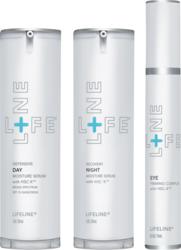
Donna Queen, President of Lifeline Skin Care, says Today, one of the best applications for these stem cells is in skincare, where they can help repair aged and sun-damaged skin.


Lifeline Skin Care, http://www.lifelineskincare.com, was developed in 2010 using the proteins and growth factors extracted from these stem cells. Lifeline Skin Cares parent company, International Stem Cell Corporation, manipulates a human oocyte (egg) so that it begins to divide and produce pluripotent stem cells. These nonembryonic stem cells are of particular interest to scientists because they can be used for both cosmetic skincare and therapeutic regenerative diseases. Their advantages are: (1) they avoid the ethical controversy involved in the creation or destruction of a human embryo; (2) they are a potent source of proteins and growth factors that

produce anti-aging results in skincare; and (3) these stem cells can be a source of therapeutic cells for hundreds of millions of people. Scientists are optimistic that these non-embryonic stem cells can regenerate damaged tissue and cure diseases like Parkinsons, macular degeneration and diabetes, while reducing or eliminating the need for immuno-suppression drugs. Those cures, though, are a decade or more away.


There has been considerable debate about the ethics of stem cell research, particularly as it relates to the creation, use and destruction of embryos. The Catholic Church and many pro-life groups are adamantly opposed to the use and destruction of embryos on the grounds that it involves destroying one life for the benefit of another.


Not all stem cell research involves the creation, use, or destruction of human embryos, however. For example, adult stem cells, induced pluripotent stem cells and Lifeline parthenogenetic stem cells do not involve human embryos at all. Its because of this debate, and also because Americans continue to oppose tax funding for embryonic stem cell research, that these ethically-derived stem cells are showing so much promise.


The term parthenogenesis (from the Greek words parthenos, meaning virgin and genesis, meaning birth) refers to a form of asexual reproduction in which an unfertilized egg develops without ever having been exposed to male sperm Unlike embryonic stem cells, which are derived from unwanted embryos that were created through an In Vitro Fertilization procedure, International Stem Cell Corporation obtains its unfertilized eggs from women who have elected to donate their eggs for medical researchthey are not undergoing infertility treatment. The eggs that Lifeline uses: (1) are donated for research and were never produced for reproductive purposes; (2) are never exposed to the male gamete, (3) could never develop into a human

organism. The entire process is closely and carefully regulated by the US Department of Health and Human Services, the National Institute of Health and the California Department of Public Health. All donors remain anonymous and receive no financial compensation for their eggs; their only incentive is to further research into regenerative medicine.


The ethics surrounding embryonic stem cell research will last as long as people of certain moral and religious persuasions are opposed to the creation and destruction of human life. In the meantime, human parthenogenetic stem cells (like those used in Lifeline Skin Care), induced pluripotent stem cells and adult stem cells will continue to be very viable options to regenerate tissue.


For more information about Lifeline Skin Care, see http://www.lifelineskincare.com.


Stem Cells from Fat Outperform Those from Bone Marrow in Fighting Disease


Durham, NC (PRWEB) May 21, 2013

A new study appearing in the current issue of STEM CELLS Translational Medicine indicates that stem cells harvested from fat (adipose) are more potent than those collected from bone marrow in helping to modulate the bodys immune system.


The finding could have significant implications in developing new stem-cell-based therapies, as adipose tissue-derived stem cells (AT-SCs) are far more plentiful in the body than those found in bone marrow and can be collected from waste material from liposuction procedures. Stem cells are considered potential therapies for a range of conditions, from enhancing skin graft survival to treating inflammatory bowel disease.


Researchers at the Leiden University Medical Centers Department of Immunohematology and Blood Transfusion in Leiden, The Netherlands, led by Helene Roelofs, Ph.D., conducted the study. They were seeking an alternative to bone marrow for stem cell therapies because of the low number of stem cells available in marrow and also because harvesting them involves an invasive procedure.


Adipose tissue is an interesting alternative since it contains approximately a 500-fold higher frequency of stem cells and tissue collection is simple, Dr. Roelofs said.


Moreover, Dr. Melief added, 400,000 liposuctions a year are performed in the U.S. alone, where the aspirated adipose tissue is regarded as waste and could be collected without any additional burden or risk for the donor.


For the study, the team used stem cells collected from the bone marrow and fat tissue of age-matched donors. They compared the cells ability to regulate the immune system in vitro and found that the two performed similarly, although it took a smaller dose for the AT-SCs to achieve the same effect on the immune cells.


When it came to secreting cytokines the cell signaling molecules that regulate the immune system the AT-SCs also outperformed the bone marrow-derived cells.


This all adds up to make AT-SC a good alternative to bone marrow stem cells for developing new therapies, Dr. Roelofs concluded.


Cells from bone marrow and from fat were equivalent in terms of their potential to differentiate into multiple cell types, said Anthony Atala, M.D., editor of STEM CELLS Translational Medicine and director of Wake Forest Institute for Regenerative Medicine. The fact that the cells from fat tissue seem to be more potent at suppressing the immune system suggest their promise in clinical therapies.


###


The full article, Adipose tissue-derived multipotent stromal cells have a higher immunomodulatory capacity than their bone marrow-derived counterparts, can be accessed at http://www.stemcellstm.com.


About STEM CELLS Translational Medicine: STEM CELLS TRANSLATIONAL MEDICINE (SCTM), published by AlphaMed Press, is a monthly peer-reviewed publication dedicated to significantly advancing the clinical utilization of stem cell molecular and cellular biology. By bridging stem cell research and clinical trials, SCTM will help move applications of these critical investigations closer to accepted best practices.


About AlphaMed Press: Established in 1983, AlphaMed Press with offices in Durham, NC, San Francisco, CA, and Belfast, Northern Ireland, publishes two other internationally renowned peer-reviewed journals: STEM CELLS

Mount Sinai Researchers Succeed in Programming Blood Forming Stem Cells

New York, NY (PRWEB) June 13, 2013

By transferring four genes into mouse fibroblast cells, researchers at the Icahn School of Medicine at Mount Sinai have produced cells that resemble hematopoietic stem cells, which produce millions of new blood cells in the human body every day. These findings provide a platform for future development of patient-specific stem/progenitor cells, and more differentiated blood products, for cell-replacement therapy.


The study, titled, Induction of a Hemogenic Program in Mouse Fibroblasts, was published online in CELL STEM CELL on June 13. Mount Sinai researchers screened a panel of 18 genetic factors for inducing blood-forming activity and identified a combination of four transcription factors, Gata2, Gfi1b, cFos, and Etv6 as sufficient to generate blood vessel precursor cells with the subsequent appearance of hematopoietic cells. The precursor cells express a human CD34 reporter, Sca1 and Prominin1 within a global endothelial transcription program.


The cells that we grew in a petri dish are identical in gene expression to those found in the mouse embryo and could eventually generate colonies of mature blood cells, said the first author of the study, Carlos Filipe Pereira, PhD, Postdoctoral Fellow of Developmental and Regenerative Biology at the Icahn School of Medicine.


Other leaders of the research team that screened the genetic factors to find the right combination included Kateri Moore, DVM, Associate Professor of Developmental and Regenerative Biology at the Icahn School and Ihor R. Lemischka, PhD, Professor of Developmental and Regenerative Biology, Pharmacology and Systems Therapeutics and Director of The Black Family Stem Cell Institute at The Mount Sinai Medical Center.


The combination of gene factors that we used was not composed entirely of the most obvious or expected proteins, said Dr. Lemischka. Many investigators have been trying to grow hematopoietic stem cells from embryonic stem cells, but this process has been problematic. Instead, we used mature mouse fibroblasts, picked the right combination of proteins, and it worked.


This discovery is just the beginning of something new and exciting and can hopefully be used to identify a treatment for blood disorders, said Dennis S. Charney, MD, Anne and Joel Ehrenkranz Dean of the Icahn School of Medicine at Mount Sinai and Executive Vice President for Academic Affairs at The Mount Sinai Medical Center.


According to Dr. Pereira, there is a critical shortage of suitable donors for blood stem cell transplants. Donors are currently necessary to meet the needs of patients suffering from blood diseases such as leukemia, aplastic anemia, lymphomas, multiple myeloma and immune deficiency disorders. Programming of hematopoietic stem cells represents an exciting alternative, said Pereira.


Dr. Lemischka and I have been working together for over 20 years in the fields of hematopoiesis and stem cell biology, said Dr. Moore, senior author of the study. It is truly exciting to be able to grow these blood forming cells in a culture dish and learn so much from them. We have already started applying this new approach to human cells and anticipate similar success.


Mount Sinai Innovation Partners is managing the intellectual property for this cell replacement technology on behalf of the Mount Sinai researchers and is actively engaged with commercial collaboration opportunities.


About Mount Sinai Innovation Partners

Mount Sinai Innovation Partners (Mount Sinai IP), as part of the Icahn School of Medicine at Mount Sinai, facilitates the transfer of discovery from the laboratory to the marketplace, acting as the interface with commercial entities.


Mount Sinai IP is responsible for the full spectrum of commercialization activities required to bring the Icahn School of Medicines inventions to life. These activities include evaluating, patenting, marketing, and licensing new technologies, while also negotiating agreements for sponsored research, material transfer, and confidentiality. Blue Mountain Technologies is an IP program to enhance distribution of, and product development based on, Mount Sinais growing portfolio of novel reagents, diagnostics, and therapeutics. For more information on Mount Sinai IP, visit: http://www.mountsinai.org/innovation


About the Black Family Stem Cell Institute

The Black Family Stem Cell Institute is Mount Sinais foundation for both basic and disease-oriented research on embryonic and adult stem cells. The therapeutic use of stem cells is a promising area of medicine for the decades ahead and researchers are examining why stem cells function in certain types of niches, microenvironments, and pockets of activity. Investigators are working to break the code in stem cell communication by determining how stem cells signal one another and other cells. The new knowledge that will result from this research holds the promise of diagnostic and therapeutic breakthroughs.


Studies show that it is possible to reprogram adult skin cells into cells that are very similar to embryonic stem cells. Once stem cells can be grown and differentiated in a controlled way to replace degenerated cells and repair tissues, medical science may then be able to diagnose and cure many intractable diseases at their earliest stages, such as type 1 diabetes, Parkinsons disease, various cardiovascular diseases, liver disease, and cancer.


For more information, visit http://icahn.mssm.edu/research/institutes/black-family-stem-cell-institute/about-us.


About the Cellular Therapy Laboratory

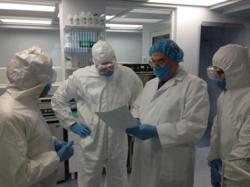
The new Cellular Therapy Laboratory completes phase one of a three part reconstruction project which includes a new Blood Bank as well as a new HLA Laboratory. The Cellular Therapy Laboratory is responsible for the processing, cryopreservation and storage of hematopoietic cellular products used in the treatment of leukemia, lymphoma, Hodgkins disease, multiple myeloma and selected solid tumors. Our laboratory provides assistance with the infusion of cellular therapy products for both inpatients and outpatients undergoing autologous and/or allogeneic transplantation.


The new Class 10,000 environmentally controlled processing facility includes an anteroom and two processing suites equipped with Class 100 biological safety cabinets. This expansion will enable our laboratory to meet the growing demands of Mount Sinais Bone Marrow and Stem Cell Transplantation Program which performs over 170 transplants a year. In addition, the laboratory also performs processing in support of clinical trials using cellular products for treatment of non-hematologic diseases.


Our laboratory is accredited by the Foundation for the Accreditation of Cellular Therapy (FACT), the American Association of Blood Banks (AABB), the College of American Pathologists (CAP), and the Clinical Laboratories Improvement Amendment (CLIA). We are registered with and inspected by the State of New York Department of Health and the Food and Drug Administration (FDA).


About The Mount Sinai Medical Center

The Mount Sinai Medical Center encompasses both The Mount Sinai Hospital and Icahn School of Medicine at Mount Sinai. Established in 1968, the Icahn School of Medicine is one of the leading medical schools in the United States, and is noted for innovation in education, biomedical research, clinical care delivery, and local and global community service. It has more than 3,400 faculty in 32 departments and 14 research institutes, and ranks among the top 20 medical schools both in National Institutes of Health (NIH) funding and by U.S. News & World Report.


The Mount Sinai Hospital, founded in 1852, is a 1,171-bed tertiary- and quaternary-care teaching facility and one of the nation's oldest, largest and most-respected voluntary hospitals. In 2012, U.S. News & World Report ranked The Mount Sinai Hospital 14th on i

Saturday, June 15, 2013

Living to 100 with Anti-Aging and Rejuvenation Stem Cells Therapy


Lutz, Florida (PRWEB) February 07, 2013

World Stem Cells Clinic announces its new treatment for Anti-aging and the benefits and treatment procedures. Dr. Ernesto Gutierrez says his medical staff, clinical physicians, dermatologist, and anti-aging specialists at World Stem Cells Clinic http://worldstemcells.com/clinic-team.html will examine the patient and review all available medical records, radiology films, CT scans and other diagnostic information to assess the best stem cell treatment to maximize the patients' results. The medical Staff will then meet and confer with the research scientists for a pre-treatment planning meeting. This Stem cell treatment planning conference takes advantage of decades of the staffs clinical experience, the patient's current condition, available social support system, full review of the medical history as well as consideration of any recently published research literature on anti-aging stem cell treatments. In other words, the patient is provided a detailed, systematic and entirely unique treatment care plan for the patient's needs.


The Stem Cell Treatment at World Stem Cells Clinic takes 5 days to complete as the treatments are comprehensive and designed to maximize the benefits and safety a patient derive from the process.


World Stem Cells, LLC worldstemcells.com will provide patient management service assisting the patient on their flight, hotel, provide transportation to and from the airport, transportation to and from your hotel to World Stem Cells Clinic, provide 24/7 communication and be the patients ombudsmen.


FACTS ABOUT AGING

The science shows each minute, our body is dying, this is a fact. Each minute that passes by our body has lost 300,000,000 cells. That means the cells that die in our body equals the population of the United States, each and every single minute. As we age less and less of those cells are replace and we slowly decay. Doctors have see people over a 100 that if cut nothing happens as there are no cells to close the wound.


Thus Aging is a result of progressive depletion of stem cells, so the introduction of new stem cells and adjunctive treatments has the potential of slowing down or reversing this process. Stem cells possess a unique anti-aging effect by regenerating and repairing organs, improving immune function, repair damaged by stress, and various toxins we are exposed to in our daily life.


Stem Cells often thought of as futuristic, controversial and unknown, are now providing the latest anti-Aging, rejuvenation and beauty secret.


THE SIGNS OF AGING

The signs of aging generally start at 40, earlier for those who have burned the candle at both ends , smokers, have been under stress or in contact with toxic sustenances and generally later for those who have had less stress, non smokers, exercised and eat properly but in the end we all will age. Some of the signs of aging are:

Hidden Hearing Respond to Researchers Identifying Important Inner Ear Cells


(PRWEB UK) 6 March 2013

Researchers at Stanford Medical School of Medicine have identified a group of progenitor cells in the inner ear that can become the sensory hair cells and adjacent supporting cells that enable hearing.


Studying these progenitor cells could someday lead to discoveries that will help millions suffering from hearing loss due to damaged or impaired sensory hair cells.


In research published online in Development, it was identified that a class of cells called tympanic border cells can give rise to hair cells and the cells that support them during a phase of cochlear maturation after birth.


A spokesperson for Hidden Hearing said:


Further understanding of the biology of the ear is important to help understand how the ear works and what can be done to treat any problems within the ear that can cause hearing loss. Research such as this may one day see further treatments and solutions for hearing problems.


With more than 40 years experience in treating hearing loss, Hidden Hearing is entrusted with the care of more than 100,000 people each year. The firm has 84 hearing centres across the UK, all catering for a range of needs and budgets. Specialising in hearing tests and hearing aids, the company also offer a variety of hearing aid accessories and in 2005, became the first dedicated hearing retailer to be recognised as an Investor in People.


Related Hair Care Press Releases